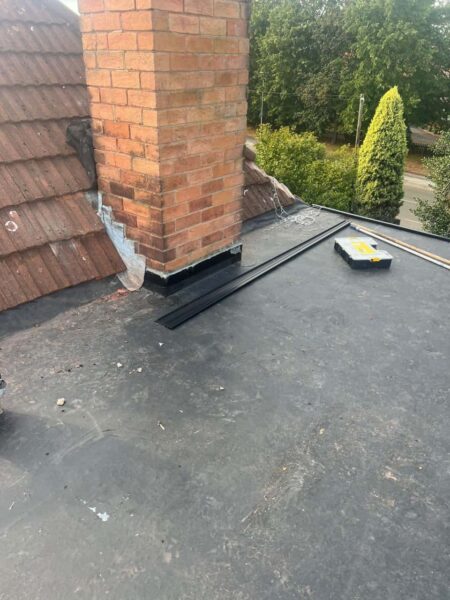
The Most Common Reasons Roof Tiles Slip
Slipped roof tiles are one of the most frequent roofing issues homeowners experience, yet they are often underestimated until a leak or visible damage appears. Roof tiles are designed to work together as a protective system, and when even one tile moves out of place, it can expose the roof to the elements. For properties in Featherstone, West Yorkshire, understanding why roof tiles slip helps homeowners recognise early warning signs and take timely action.
Natural Wear to Fixings Over Time
Many roof tiles are secured using nails or clips that are hidden beneath overlapping courses. Over years of exposure to weather conditions, these fixings can corrode, loosen, or weaken.
As fixings deteriorate, tiles lose their secure hold and may gradually slide out of position. This type of movement often occurs without warning and becomes more common as roofs age.
Strong Winds and Weather Exposure
High winds are a major cause of slipped tiles, particularly during storms or prolonged periods of unsettled weather. Wind can lift tiles slightly, breaking the seal created by their overlap and allowing them to shift.
In Featherstone, where roofs are regularly exposed to changing weather conditions, wind-related tile movement is a common issue, especially on exposed roof slopes and edges.
Inadequate or Incorrect Installation
Tile slippage can also result from poor installation. If tiles are not correctly aligned, adequately fixed, or supported by a properly prepared roof structure, they may begin to move prematurely.
Incorrect spacing, unsuitable fixings, or rushed workmanship can all reduce the long-term stability of roof tiles, even on relatively new roofs.
Movement Within the Roof Structure
Roofs naturally expand and contract due to temperature changes. Over time, this movement can affect battens and fixings beneath the tiles.
If battens begin to weaken or shift, tiles may lose their support and start to slip. This structural movement is often gradual, making early detection difficult without professional inspection.
Broken or Cracked Tiles Nearby
A single damaged tile can affect those around it. When a tile cracks or breaks, it disrupts the way neighbouring tiles interlock and distribute weight.
This can create gaps or uneven pressure points, increasing the likelihood of surrounding tiles slipping out of place.
Previous Repairs Not Fully Addressed
Temporary or surface-level repairs may reposition a slipped tile without resolving the underlying cause. If fixings, battens, or adjacent tiles remain compromised, the same tile is likely to move again.
Recurring tile movement is often a sign that deeper issues need to be addressed rather than repeated adjustment.
Why Prompt Repairs Are Important
Slipped tiles expose the roof underlay and battens to rain and wind, increasing the risk of water ingress and internal damage. What begins as a small roofing issue can escalate quickly if left unresolved.
Early professional repairs help restore the roof’s integrity and reduce the risk of wider deterioration.
Conclusion
Roof tiles commonly slip due to ageing fixings, strong winds, installation faults, structural movement, or damage to surrounding tiles. While the issue may appear minor at first, it can lead to more serious problems if ignored.
If you have noticed slipped or uneven roof tiles in Featherstone, West Yorkshire, LNM Roofing Featherstone can provide professional inspections and reliable repairs tailored to your roof. Addressing tile movement early helps protect your property and maintain the long-term performance of your roof.
Call us on: 01977 802 587
Click here to find out more about LNM Roofing Featherstone
Click here to complete our contact form and see how we can help with your roofing needs.