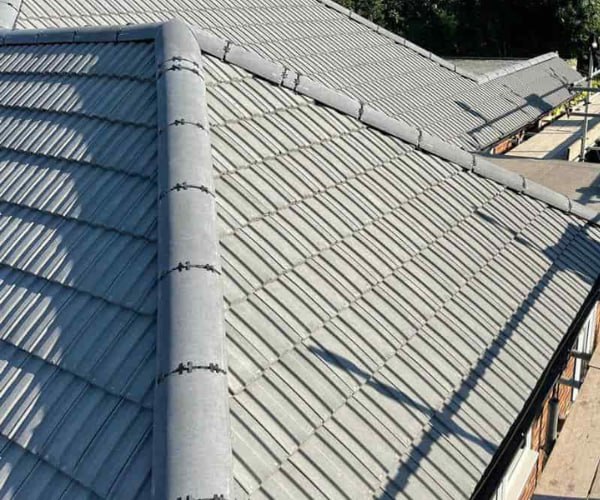
Garage Roof Repairs: Warning Signs You Should Not Ignore
A garage roof can be easy to overlook because problems may not affect the main living areas of a property straight away. However, garage roofs are exposed to the same rain, wind and changing weather conditions as other roofing areas, and relatively small defects can gradually allow moisture to reach the materials underneath.
For property owners in Featherstone, West Yorkshire, recognising the early warning signs of garage roof deterioration can help keep repairs localised and prevent avoidable damage from spreading. Whether the garage has a flat or pitched roof, the most effective approach is to investigate why a problem has developed rather than waiting until water is entering regularly.
What Are the Warning Signs That a Garage Roof Needs Repair?
Some garage roofing problems are obvious, such as active water ingress or visibly missing materials. Others develop gradually and may initially appear as small changes in the roof surface or inside the garage.
The condition of the complete roof should be considered because the place where damage becomes visible is not always the location where the original defect began.
Professional inspection can identify the source of the problem and determine whether a targeted garage roof repair can restore the affected area.
Water Marks on the Garage Ceiling
Discolouration on a garage ceiling or beneath the roof structure is one of the clearest indications that moisture may be entering.
A small mark should not automatically be dismissed because it is dry when discovered. Roof leaks can be intermittent, becoming noticeable only during particular combinations of rainfall and wind.
Water may also travel before it becomes visible.
This means the roofing defect may not be positioned directly above the internal mark. Finding the actual entry point is therefore an important part of completing an effective repair.
Damp Patches After Rainfall
A garage that develops damp areas following wet weather should be investigated.
The pattern can provide useful clues. If dampness repeatedly appears after rainfall and then becomes less noticeable during dry conditions, there may be a weakness somewhere within the roof covering or its associated details.
Waiting for the area to become permanently wet can allow the problem to progress unnecessarily.
Early assessment provides an opportunity to identify the defect while the surrounding materials may still remain in serviceable condition.
Dripping Water Should Never Be Considered Normal
If water is actively dripping into a garage, the roof has reached a stage where the defect is allowing moisture through the covering.
Placing a container underneath may protect the immediate floor area, but it does nothing to address the roofing problem.
The source needs to be identified.
Depending on the roof construction, water may be entering through damaged covering materials, defective joints, vulnerable edges or another localised weakness.
Professional inspection can establish the route of entry rather than simply concentrating on where the drip happens to land.
Cracks in a Flat Garage Roof Surface
Flat garage roofs require a continuous, dependable covering.
Visible cracking can indicate that the surface has deteriorated or experienced movement. Small cracks may initially appear insignificant, but they can provide potential routes for moisture.
The surrounding condition should be assessed rather than treating every crack as an isolated mark.
Where deterioration is limited, a suitable repair may restore the affected section. More widespread cracking can indicate that a broader assessment of the covering is needed.
Blisters, Bubbles or Raised Areas
A flat roof should generally have a consistent surface.
Raised areas, bubbles or blister-like sections suggest that the covering is no longer sitting as intended. These changes may develop when moisture or air becomes trapped within parts of the roofing system.
Not every raised area will immediately leak, but it indicates that the surface should be examined.
Walking on or pressing damaged sections can make matters worse, so assessment is better carried out by someone experienced with the particular roof covering.
Water Remaining on the Roof
Some flat garage roofs can retain small amounts of water temporarily after rainfall, but persistent standing water deserves attention.
Repeated ponding may indicate issues with roof levels, drainage points or localised settlement.
Water that remains in the same location for prolonged periods places continued exposure on that section of the covering. If a weakness subsequently develops, the presence of standing water can make the problem more significant.
A professional assessment can consider both the roof surface and why water is not draining as expected.
Damaged Roof Edges
The perimeter of a garage roof is particularly important because this is where the main covering meets edges, trims and adjoining details.
Loose, damaged or deteriorated edge components can allow wind and moisture to affect the roof covering.
These defects can sometimes be difficult to notice from ground level.
If an edge appears uneven, lifted or visibly damaged, having it checked can prevent a relatively localised issue from progressing into a larger section of the roof.
Missing or Slipped Tiles on Pitched Garage Roofs
Where a garage has a pitched tiled roof, missing and slipped tiles are clear signs that attention is required.
Tiles work together through their positioning and overlap to direct rainfall away from the roof. Once one becomes displaced, the materials underneath can become more exposed.
The surrounding tiles should also be checked.
The same conditions that moved one tile may have loosened neighbouring sections, and replacing only the most obvious missing tile without examining nearby areas can overlook connected damage.
Cracked or Broken Roof Tiles
A tile does not need to be completely missing before it becomes a concern.
Cracks, fractures and broken corners can affect how effectively the covering sheds rainfall. Depending on the extent and location of the damage, moisture may reach areas beneath the tile.
Individual damaged tiles can often represent a localised repair where the wider roof remains sound.
The important point is to deal with them before continued exposure contributes to deterioration underneath.
Loose Roofing Materials After Strong Winds
Wind can expose weaknesses that were already developing within a garage roof.
Roofing materials may lift, move or become partially detached. Even when they settle back into position afterwards, their fixings or surrounding connections may no longer be as secure as before.
After noticeable movement, the affected area should be assessed rather than relying solely on its appearance from the ground.
A roof can look broadly intact while still containing loosened sections.
Deterioration Around Roof Junctions
Garage roofs frequently meet walls or other structural features, creating junctions that need to remain properly weather resistant.
If the materials around these areas deteriorate, water can find a route behind the main covering.
Warning signs can include visible gaps, displaced detailing or dampness appearing internally close to the junction.
Because several materials may meet within a relatively small area, correctly identifying the failed component is particularly important before repair work begins.
Problems Around Flashing
Flashing helps protect vulnerable roof junctions and changes in construction.
If it becomes loose, damaged or deteriorated, rainfall can penetrate behind the surrounding roof covering even when the main surface itself remains in reasonable condition.
This can make leaks around flashing difficult to diagnose without careful inspection.
Repairing the visible internal damp patch without addressing the defective external detail will not resolve the source of the water.
Musty Smells Inside the Garage
Not every moisture problem begins with an obvious drip.
A persistent musty smell can indicate that materials within the garage are remaining damp. While there can be several reasons for this, the roof should be considered if other signs of water ingress are present.
Hidden or intermittent moisture can affect timber and other materials before significant staining becomes visible.
Investigating unexplained changes in the internal environment can therefore help identify roofing problems earlier.
Damp Roof Timbers Need Attention
Where the underside of a garage roof is accessible, changes to the condition of timber components can provide useful warning signs.
Darkening, persistent dampness or visible deterioration may indicate that moisture has been reaching the structure.
The source should be identified before concentrating on the affected timber itself.
Stopping the water entry is fundamental because internal materials cannot remain dry while the external defect continues to allow moisture through.
Previous Repairs Beginning to Fail
An older repair that has started cracking, lifting or separating from surrounding material deserves attention.
A repair should work with the existing roof covering rather than becoming another weak point.
Repeated problems within the same location can also suggest that the original cause was never fully identified.
Where a garage roof continues leaking despite previous work, a wider assessment of the affected area can be more useful than repeatedly applying another surface patch.
Why Small Garage Roof Leaks Can Become Larger Problems
Water does not remain neatly within the point where it first enters.
Once beneath the covering, moisture can travel through joints, along supporting materials or into adjoining sections. Continued wetting can therefore increase the area affected even when the original opening is relatively small.
This is why early repair matters.
Addressing a defect while it remains localised can reduce unnecessary exposure of the surrounding roof construction and help retain materials that are still performing correctly.
A Garage Roof Leak Does Not Automatically Mean Replacement
Finding water inside a garage can understandably raise concerns about whether the complete roof has failed.
However, leaks can result from isolated defects.
A damaged section of covering, displaced tile, failed junction or localised edge problem may be repairable where the wider roof remains serviceable.
Conversely, widespread deterioration across the covering may require a different approach.
The condition of the complete roof should determine the recommendation rather than assuming that every leak requires either a minor patch or complete replacement.
Why Professional Diagnosis Matters
Effective garage roof repair begins by locating the actual defect.
The internal position of a damp patch can provide a starting point, but it does not necessarily identify where water entered. Professional assessment follows the likely route of moisture while examining the condition of the roof externally.
This helps determine:
- Where water is entering
- Whether the problem is localised
- Which roofing components are affected
- Whether surrounding materials remain sound
- Why the defect developed
- What repair is appropriate for the existing roof
Diagnosing the cause before beginning repairs provides a much stronger basis for restoring the roof properly.
Professional Garage Roof Repairs in Featherstone, West Yorkshire
At LNM Roofing Featherstone, we assess garage roof problems carefully before recommending the appropriate repair.
Whether the warning sign is a small damp patch, damaged roof covering, standing water or a recurring leak, identifying the source is an essential first step. This allows attention to be focused on the components responsible for the problem while retaining sound roofing materials wherever appropriate.
For property owners in Featherstone, West Yorkshire, prompt professional assessment can help prevent a manageable garage roof defect from being left exposed to continued weather.
Conclusion
Garage roof problems should not be ignored simply because they are not immediately affecting the main living areas of a property. Damp patches, active leaks, cracked coverings, displaced tiles, standing water and deterioration around edges or junctions can all indicate that the roof needs attention.
Early investigation is particularly important because visible symptoms do not always reveal the true source of the problem. Professional diagnosis can establish where water is entering, assess the surrounding roof and determine whether a targeted repair can restore the affected area.
If your garage roof in Featherstone, West Yorkshire is showing signs of damage or water ingress, contact LNM Roofing Featherstone. We can assess the condition of the roof, identify the cause of the problem and recommend an appropriate garage roof repair.
Call us on: 01977 802 587
Click here to find out more about LNM Roofing Featherstone
Click here to complete our contact form and see how we can help with your roofing needs.